


Healthcare
VISITA SOSPESA
Welcomed, Milan (2026)
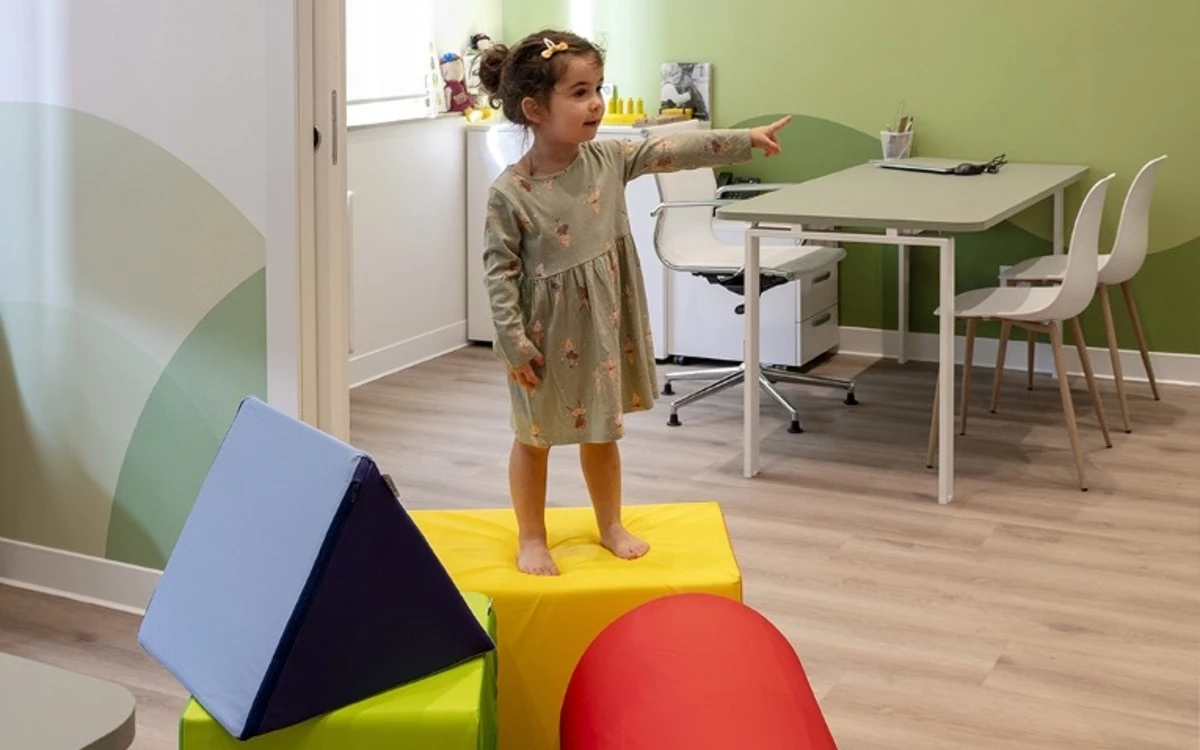
In Italy, the National Health System provides health care to all citizens, but budget cuts have made it difficult to meet demand in a timely and adequate manner in outpatient services, resulting in longer waiting lists.
Those who can afford it turn to private healthcare, while low-income families either forego treatment or delay it for unacceptably long periods, leading to serious health consequences and future costs for the family and society.
Visita Sospesa® is Welcomed’s program inspired by the noble Neapolitan tradition of the “caffè sospeso.” A simple yet concrete gesture: schedule a consultation and, at the same time, offer one to someone who cannot afford it. Thanks to donations, contributions, and fundraising events, free consultations are provided in the fields of Medicine (Child Neuropsychiatry, Pediatrics, Cardiology, Ophthalmology, Nutrition Sciences, Gynecology, Otolaryngology, Allergology); Psychology (Assessments for Learning Disabilities, Eating and Nutrition Disorders, Autism, Psychological Support for Children and Adolescents, Parenting Support, ADHD Assessment and Treatment); Rehabilitation (Speech Therapy, Neuropsychomotor Therapy, Osteopathy, Orthoptics, Physical Therapy); and Family Services.
The beneficiaries of the project are individuals or families belonging to the most vulnerable segments of the population. 90% of those involved are children and adolescents. Free access is guaranteed to households with an ISEE below €8,000 referred to Welcomed by a network of over 150 local partners: third-sector organizations, schools, parishes, sports centers, social services, and entities within the National Health Service (UONPIA, hospitals, family planning clinics, Election-Based Pediatricians, General Practitioners) who identify care needs and collaborate with Welcomed to ensure their continuity.
Services are provided at the organization’s centers, through local projects in collaboration with public and private social sector entities, and within more than 50 schools, offering screenings, psychological support, and training to students, teachers, and parents. Since the initiative’s launch in 2017, more than 63,000 free services have been provided.


Read Next
MEDICAL RESEARCH
AN INNOVATIVE PROJECT TO SLOW THE PROGRESSION OF MULTIPLE SCLEROSIS
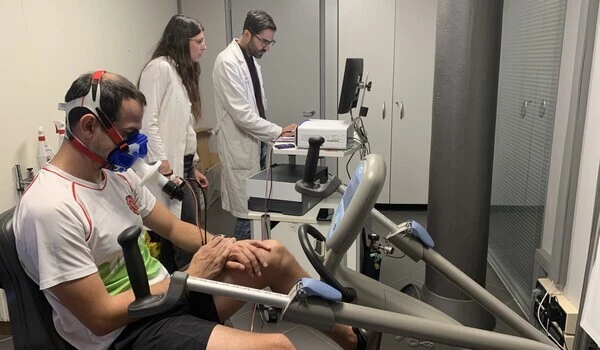
Thanks to research projects funded over the past 25 years by AISM and its Foundation, it has become clear that rehabilitation—previously considered merely a tool for neuromotor re-education—is a genuine treatment capable of slowing the progression of disability in people with multiple sclerosis, as it stimulates neural plasticity; this occurs primarily during aerobic activity.


Accepted payment methods:


© 2026 Canali SpA a socio unico, soggetta a direzione e coordinamento di Canali Holding SpA - Partita I.V.A. 00694880964 - All Rights Reserved


